
Mitre Box with Saw (350mm): Complete Buying Guide
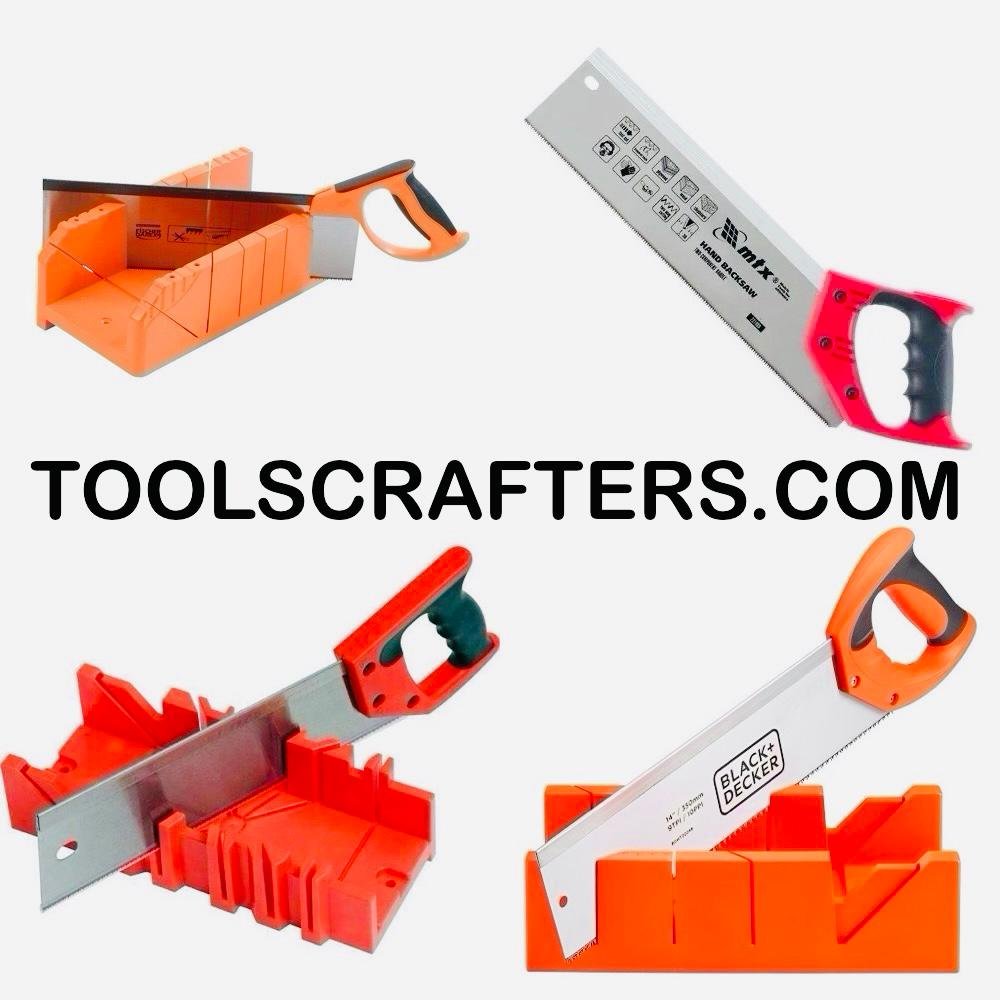
This article is based on product images, manufacturer specifications, and general woodworking knowledge. No hands-on testing was conducted, and no performance claims are made beyond what is listed by the manufacturer.
A mitre box with saw is one of the easiest tools for making clean, accurate angled cuts in wood, trim, moulding, and PVC without using electricity.
Introduction
A mitre box with saw is one of the easiest ways to make clean and accurate angled cuts without using a power tool.
There’s something satisfying about a tool that doesn’t need a battery, a cord, or a manual the size of a phone book. A mitre box with saw is one of those tools. It’s simple, it’s mechanical, and it’s been getting trim and moulding cut at the right angle for generations of woodworkers.
If you’re weighing up whether a 350mm hand-powered mitre box belongs in your workshop or toolbox, this guide walks through what it is, how it works, and what to consider before buying one.
What Is a Mitre Box with Saw?
A mitre box with saw is a manual cutting system made up of two parts: a box-shaped guide (usually plastic or wood) and a hand saw that sits inside it. The box has slots cut into its sides at fixed angles, most commonly 45 and 90 degrees. You rest your workpiece inside the box, slide the saw into the slot you need, and cut.
The slots do the hard part for you. Instead of eyeballing an angle or relying on a pencil line, the saw is physically guided along a straight, pre-set path. That’s the whole appeal of this tool — consistency without needing power or electronics.
Product Overview
Based on the listed specifications, this particular mitre box and saw set includes:
– Manual operation — no motor, no battery, no cord
– A 350mm steel hand saw fitted with a moulded handle for grip
– A mitre box body that holds the saw and the workpiece together
– Guide slots built into the box for angled and straight cuts
It’s designed as a complete set, meaning the saw is sized and matched to fit the box’s slots, which matters more than people expect — a mismatched saw and box combination is a common frustration with cheaper aftermarket setups.
The manufacturer has not published details on blade hardness, teeth-per-inch count, steel grade, overall weight, maximum cutting capacity, warranty terms, or country of origin. Where information isn’t publicly specified, we’ve noted that clearly rather than estimating.
| Feature | Details |
|---|---|
| Operation | Manual |
| Saw Length | 350 mm |
| Material | Steel Saw |
| Suitable For | Wood, PVC, Trim |
Design & Features
The saw handle
The handle is contoured with a moulded grip section, which is a practical detail rather than a cosmetic one. A hand saw is only as controllable as its handle allows, and a shaped grip helps you keep even pressure through each stroke instead of your hand sliding around mid-cut.
The steel blade
At 350mm, the blade is long enough to handle mouldings, trim boards, and similar stock sizes without constantly repositioning the workpiece partway through a cut.
The mitre box body
The box itself is what turns a regular hand saw into a precision tool. Its slotted sides keep the blade locked to a fixed angle, which removes a lot of the guesswork that comes with freehand sawing.
Guide slots
These are arguably the most useful feature on the whole tool. Rather than measuring and marking an angle every time, you simply choose the slot that matches the cut you need. It’s a small mechanical solution to a problem that otherwise requires either practice or a protractor.
Benefit:
Helps produce cleaner and more consistent cuts.
Common Applications
According to the listed specifications, this mitre box and saw is intended for:
– General wood cutting
– Trim work around doors, windows, and skirting
– PVC cutting, such as pipe or trim material
– Moulding work, including picture frames and decorative trim
– Small DIY projects
– General carpentry tasks
It’s worth noting this is a manual, benchtop-style tool — better suited to smaller trim and moulding jobs than large structural lumber.
How to Use
Using a mitre box with saw follows a fairly consistent process:
1. Secure the box. Clamp it to a workbench or stable surface so it doesn’t shift while you cut.
2. Position your material. Rest the workpiece flat inside the box, against the back edge if there is one.
3. Choose your angle. Slide the saw into the guide slot matching the cut you need — typically 45 or 90 degrees.
4. Cut with steady strokes. Let the saw do the work rather than forcing it. The guide slots keep the blade on track, so your job is mainly maintaining even pressure.
5. Check the cut. Once through, remove the offcut and test-fit the piece before installing it.
Because the tool is entirely manual, patience matters more than speed. Rushing a cut is usually where accuracy suffers.
Pros
– No electricity or batteries required
– Straightforward to use, even for beginners
– Guide slots support consistent angle cuts
– Handles both wood and PVC applications
– Compact and easy to store
– Suitable for home users, DIY projects, and professional carpentry tasks
Cons
– Cutting speed depends entirely on the user’s effort and technique
– Fixed guide slots limit you to the angles built into the box
– Not intended for large or thick structural lumber
– Blade specifications such as hardness and TPI aren’t published, making direct comparisons to other saws difficult
Buying Guide
If you’re deciding whether this tool fits your needs, consider the following:
How often will you use it?
For occasional trim, moulding, or small PVC cuts, a manual mitre box is often more practical than pulling out a power mitre saw.
Do you need portability?
A hand-powered mitre box works anywhere — no outlet required — which makes it useful for job sites without power access.
What angles do you typically cut?
Since the guide slots are fixed, confirm the box offers the angles you’ll actually use (most commonly 45 and 90 degrees).
Do you already own a hand saw?
If so, check that it fits the mitre box slots correctly. A set sold together, like this one, avoids that compatibility issue entirely.
Storage
Choose a compact mitre box if you need a tool that fits easily into a toolbox or small workshop.
Maintenance & Care
A hand-powered mitre box and saw doesn’t require much upkeep, but a little care extends its usable life:
– Wipe the blade dry after use, especially if you’ve been cutting damp or treated wood, to reduce the risk of surface rust.
– Keep the guide slots clean of sawdust buildup, as debris can affect how smoothly the saw slides through the cut.
– Store the saw inside the box when not in use to protect the blade edge from knocks.
– Check the handle fixing periodically to make sure it hasn’t loosened with repeated use.
None of this takes more than a minute or two, but it’s the kind of small habit that keeps a manual tool cutting cleanly for years.
How We Evaluated This Product
This guide was compiled using the manufacturer’s published specifications and a close review of the product images provided, combined with general, well-established woodworking knowledge about how mitre boxes and hand saws function. No physical unit was tested for this article, and no cutting performance, durability, or comfort claims are made beyond what the manufacturer has stated. Where specification details were not publicly available — such as blade hardness, steel grade, or cutting capacity — we’ve noted this rather than estimating or assuming figures.
FAQ
What is a mitre box with saw used for?
It’s used to make straight and angled cuts in wood, trim, moulding, and PVC, typically for carpentry and DIY projects.
Do I need electricity to use this mitre box?
No. It’s a fully manual, hand-powered tool.
Can this mitre box cut PVC as well as wood?
Yes — PVC cutting is listed among its applications, alongside general wood cutting.
What size is the saw blade?
The saw measures 350mm, per the manufacturer’s specifications.
Is this tool suitable for beginners?
Yes. It’s listed as suitable for home users and DIY beginners, as well as professional woodworkers.
How do the guide slots help when cutting?
They hold the saw at a fixed angle, helping produce consistent, repeatable cuts without needing to measure each time.
Final Thoughts
A hand-powered mitre box with saw isn’t flashy, but that’s kind of the point. It’s a dependable, no-frills tool for anyone who needs clean, angled cuts on trim, moulding, or PVC without setting up a power tool. For occasional DIY work or on-site trim jobs, it earns its place in the toolbox simply by doing one job well.
Affiliate Disclosure
This article may contain affiliate links. If you purchase through these links, we may earn a small commission at no additional cost to you. This does not affect our editorial approach — all information is based on publicly available specifications and general woodworking knowledge.
About TOOLSCRAFTERS
TOOLSCRAFTERS publishes practical, research-based guides on hand tools, power tools, and DIY equipment. Our content is written to help everyday DIYers and tradespeople make informed decisions, using manufacturer specifications, product imagery, and established woodworking principles as our foundation.