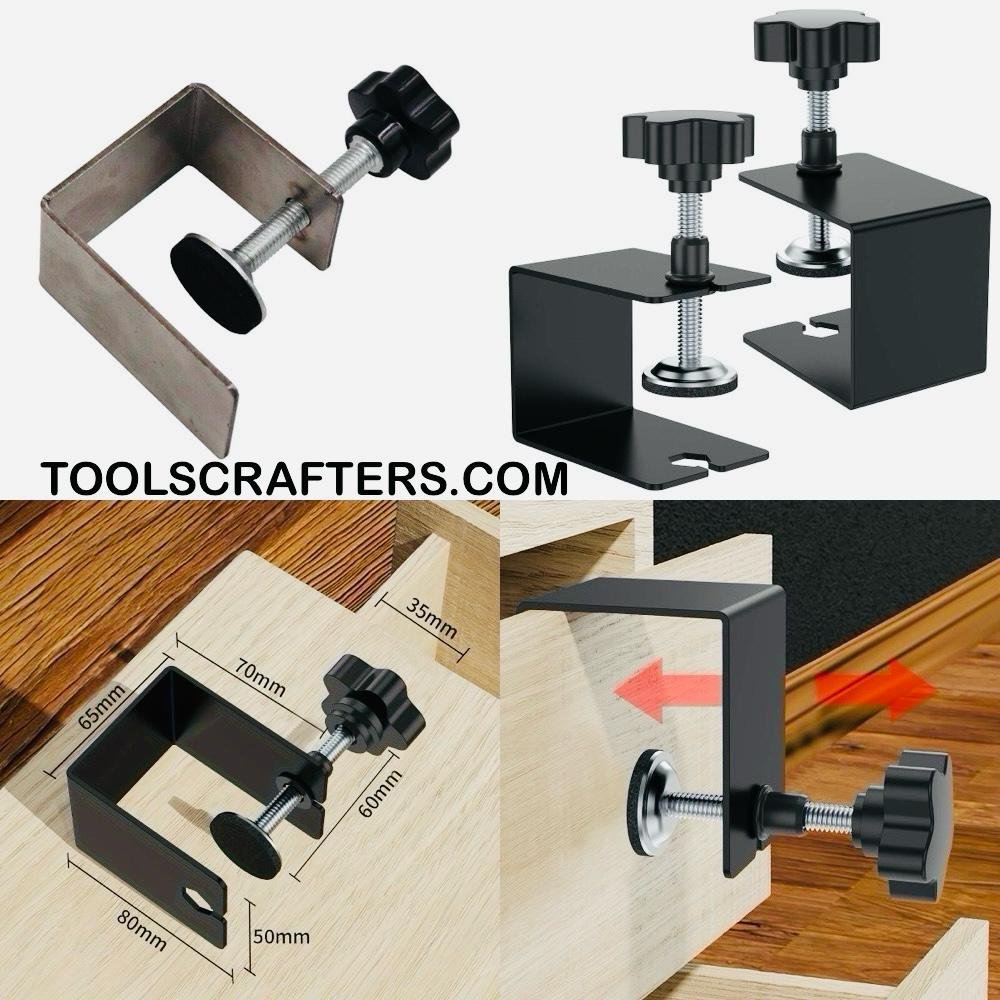
Anyone who has spent time building kitchen cabinets or fitting drawer boxes knows that the final step—attaching the drawer front—is where a project either looks professional or falls apart visually. The drawer box itself can be perfectly square and the joinery flawless, but if the front panel sits crooked or the gap between it and the neighboring door is uneven by even a couple of millimeters, the whole cabinet run looks off. Clients notice inconsistent reveals faster than almost any other flaw in cabinetry.
A Drawer Front Panel Installation C Clamp is designed specifically to solve this problem. It temporarily holds the drawer front panel in the correct position while you drill and fasten it to the drawer box. This eliminates panel movement, improves alignment accuracy, and allows a single installer to complete the job without needing a second person.
Whether you’re a professional cabinet maker, modular kitchen installer, furniture manufacturer, carpenter, or serious DIY woodworker, this tool helps produce cleaner, more consistent drawer installations. In this guide, you’ll learn how a Drawer Front Panel Installation C Clamp works, its key features, compatible cabinet types, installation process, buying tips, maintenance, safety precautions, and frequently asked questions.
A Drawer Front Panel Installation C Clamp is a specialized woodworking tool used to temporarily secure a drawer front panel to an assembled drawer box while the installer drills pilot holes and drives screws from inside the drawer. Unlike a standard C-clamp, which is designed for general-purpose clamping, this tool is specifically engineered for cabinet installation where accuracy, alignment, and surface protection are essential.
The clamp securely grips both the finished drawer front and the drawer box at the same time, preventing the panel from shifting during installation. Most models include protective jaw pads to prevent scratches or dents, along with a slim profile that leaves enough room inside the drawer for drilling and fastening.
Because the drawer front remains perfectly positioned throughout the installation process, consistent reveal gaps are easier to maintain, reducing rework and improving the overall appearance of the finished cabinet.
The working principle of a Drawer Front Panel Installation C Clamp is simple but highly effective. After positioning the drawer front panel using spacers or alignment blocks, the clamp is attached so that one jaw grips the inside of the drawer box while the other presses gently against the outer face of the drawer front. Once tightened, the clamp securely locks both pieces together without damaging the finished surface.
With the panel firmly held in place, the installer can safely drill pilot holes through the inside of the drawer box and drive the mounting screws without worrying about the panel slipping or moving. This method significantly improves installation accuracy and reduces the chance of uneven reveal gaps or misaligned drawer fronts.
Although the clamp simplifies installation, proper measurement and careful alignment should always be completed before tightening the clamp.
Professional cabinet makers, furniture manufacturers, and modular kitchen installers rely on Drawer Front Panel Installation C Clamps because they improve both speed and accuracy. Instead of asking another person to hold the drawer front during installation, one installer can position, clamp, drill, and fasten the panel independently.
The clamp also helps maintain consistent reveal gaps across multiple drawers, which is especially important in modern kitchens where even small alignment errors are immediately visible. By preventing panel movement during drilling, it reduces the need for rework, minimizes material waste, and produces a cleaner, more professional finish.
For workshops producing multiple cabinets every day, this simple tool saves valuable installation time while improving the overall quality of finished furniture.
A Drawer Front Panel Installation C Clamp can be used with most modern cabinet designs, provided the clamp’s opening range matches the thickness of the drawer box and front panel. Understanding the cabinet style helps ensure proper alignment during installation.
Frameless cabinets, often called European-style cabinets, have no face frame around the front opening. Because the drawer fronts are fully visible, maintaining consistent reveal gaps is extremely important. A Drawer Front Panel Installation C Clamp provides the stability needed to position each panel accurately before fastening.
Face frame cabinets include a solid wood frame attached to the front of the cabinet box. Although the frame provides additional support, accurate drawer front alignment is still necessary for a professional appearance. The clamp securely holds the panel while allowing precise adjustment before the screws are installed.
Drawer Front Panel Installation C Clamps work with several drawer front designs commonly used in residential and commercial furniture projects.
Overlay drawer fronts sit on top of the cabinet opening and are commonly used in modular kitchens and modern furniture. Since these panels cover the cabinet edges, maintaining equal reveal gaps between neighboring drawers is essential. The clamp helps hold the panel in the correct position until it is permanently secured.
Inset drawer fronts fit inside the cabinet opening rather than covering it. Because the clearance around the panel is much smaller, accurate positioning becomes even more important. A Drawer Front Panel Installation C Clamp reduces movement during installation and helps achieve consistent, even gaps around all sides of the drawer front.
A high-quality Drawer Front Panel Installation C Clamp is designed to improve installation accuracy while protecting finished cabinet surfaces. Although different manufacturers offer different designs, the best clamps share several important features that make installation faster, easier, and more precise.
Soft rubber, plastic, or silicone jaw pads protect painted, laminated, veneered, and solid wood drawer fronts from scratches and dents during installation. These pads also improve grip without applying excessive pressure to delicate surfaces.
An adjustable clamping mechanism allows the tool to accommodate different drawer box thicknesses and drawer front panel sizes. This flexibility makes the clamp suitable for a wide range of cabinet construction projects.
A slim clamp body provides enough clearance for drilling and driving screws from inside the drawer box without obstruction. This improves working comfort and reduces installation time.
Heavy-duty steel construction provides greater strength, durability, and resistance to bending under repeated daily use. A robust frame also maintains consistent clamping pressure, helping improve installation accuracy over time.
A smooth screw-thread or quick-release mechanism allows the clamp to be tightened and released quickly while maintaining precise control over clamping pressure. This increases productivity, particularly during large cabinet installation projects.
Using a Drawer Front Panel Installation C Clamp offers several advantages for both professional cabinet makers and DIY woodworkers. Beyond simply holding the panel in place, it improves installation quality, reduces errors, and saves valuable working time.
The clamp keeps the drawer front securely positioned while pilot holes are drilled and screws are installed. This helps maintain consistent reveal gaps and creates a cleaner, more professional cabinet appearance.
Because the clamp securely holds the panel, a single installer can complete the entire installation process without assistance. This improves productivity during kitchen, wardrobe, and furniture assembly projects.
Panels that move during drilling often require repositioning and additional holes, which can damage expensive finished surfaces. A quality clamp minimizes movement and reduces costly installation mistakes.
With both hands free to operate the drill and screws, the installer maintains better control throughout the installation process. A securely clamped panel also reduces the chance of accidental slipping.
Following a systematic installation process helps achieve accurate alignment while reducing installation errors.
Ensure the drawer box is square, securely installed on its slides, and free from dust or debris. Verify that the drawer front panel has been fully finished before installation.
Use spacers, shims, or alignment blocks to establish consistent reveal gaps around the drawer front. Double-check all measurements before positioning the clamp.
Position the Drawer Front Panel Installation C Clamp so that it grips both the drawer box and the drawer front evenly. Tighten only enough to prevent movement without damaging the finished surface.
Drill pilot holes from inside the drawer box into the back of the drawer front. Proper pilot holes reduce the risk of splitting and help ensure straight screw installation.
Drive the mounting screws carefully while periodically checking that the reveal gaps remain consistent. Once the screws are fully tightened, remove the clamp and inspect the final alignment.
Even experienced cabinet makers can encounter installation problems. Avoiding these common mistakes helps improve accuracy and reduces unnecessary rework.
Applying excessive pressure may dent thin drawer fronts or distort lightweight drawer boxes. Tighten only enough to hold the panel securely.
Driving screws directly into the panel increases the risk of splitting the material or causing the screw to wander. Always drill suitable pilot holes before fastening.
Always recheck the reveal gaps after tightening the clamp. Even slight movement during positioning can affect the final appearance of the completed cabinet.
Choosing the right Drawer Front Panel Installation C Clamp depends on the type of cabinetry you build, the materials you work with, and the level of accuracy you require. Investing in a well-designed clamp improves installation quality and saves time on every project.
Verify that the clamp’s opening range matches the thickness of your drawer boxes and front panels. A suitable jaw capacity ensures secure clamping without excessive force.
Look for clamps equipped with replaceable rubber or silicone jaw pads to protect painted, laminated, or veneered cabinet surfaces from scratches.
Steel-bodied clamps generally offer better durability than lightweight plastic models and are better suited for frequent workshop use.
Select a clamp from a reputable manufacturer that provides clear specifications, quality materials, and reliable customer support. Reading verified customer reviews can also help you evaluate long-term performance before making a purchase.
| Feature | Basic Clamp | Professional Clamp |
|---|---|---|
| Jaw Padding | Standard Rubber Pads | Premium Soft Silicone Pads |
| Build Material | Mild Steel | Heavy-Duty Hardened Steel |
| Clamping Adjustment | Manual Screw | Precision Screw with Fine Adjustment |
| Best For | DIY Projects | Professional Cabinet Installation |
| Durability | Good | Excellent |
| Surface Protection | Basic | Superior |
Regular maintenance helps keep your Drawer Front Panel Installation C Clamp operating smoothly and extends its service life. After each project, wipe away wood dust, glue residue, and debris from the clamp body and jaw pads. Clean jaws provide better grip and reduce the risk of scratching finished drawer fronts.
Remove sawdust, glue, and dirt after every use. A clean clamp provides more consistent clamping pressure and protects finished cabinet surfaces from unwanted marks.
Check the rubber or silicone jaw pads regularly for wear, cracks, or damage. Replace worn pads to maintain a secure grip and prevent scratches on painted or laminated drawer fronts.
Apply a small amount of light machine oil to the threaded spindle or adjustment mechanism whenever it begins to feel stiff. Smooth operation improves both accuracy and ease of use.
Store the clamp in a clean, dry location away from excessive moisture. Proper storage helps prevent corrosion and keeps the tool ready for future cabinet installation projects.
Although a Drawer Front Panel Installation C Clamp is a simple hand tool, following proper safety practices helps prevent accidents and protects both the workpiece and the installer.
Always wear safety glasses while drilling pilot holes and driving screws to protect your eyes from wood chips and dust.
Apply only enough pressure to hold the drawer front securely. Overtightening can damage thin drawer panels, dent finished surfaces, or distort lightweight drawer boxes.
Ensure the cabinet or workbench remains stable during installation. Working on a secure surface improves accuracy and reduces the risk of accidental movement.
Choose the appropriate drill bit and screw size for the drawer material. Proper pilot holes help prevent splitting and ensure secure fastening.
It is used to temporarily hold a drawer front panel in perfect alignment while drilling pilot holes and installing mounting screws.
A standard C Clamp can hold materials together, but it is not specifically designed for drawer front installation and may not provide the same level of accuracy or surface protection.
Yes. It works well with both overlay and inset drawer fronts when used correctly.
Yes. It can be used with MDF, plywood, solid wood, melamine, and other common cabinet materials.
Quality clamps with protective jaw pads are designed to minimize the risk of scratches when used correctly.
Yes. It helps DIY users achieve more accurate drawer front installation without needing an extra pair of hands.
Check the manufacturer’s specifications and ensure the clamp opening matches the thickness of your drawer box and drawer front.
Clean the clamp after every project and inspect the moving parts regularly to ensure smooth operation.
Yes. A single clamp can be reused throughout the installation process, although professionals often use multiple clamps to speed up large projects.
Absolutely. It is widely used by cabinet makers, furniture manufacturers, and modular kitchen installers to improve installation accuracy and efficiency.
A Drawer Front Panel Installation C Clamp is an essential cabinet installation tool for anyone who wants precise drawer front alignment and consistent reveal gaps. Whether you’re building custom furniture, installing modular kitchens, or completing DIY woodworking projects, this specialized clamp helps improve accuracy, reduce installation time, and minimize costly mistakes. Choosing a high-quality clamp with durable construction, protective jaw pads, and smooth adjustment mechanisms will provide reliable performance for years of workshop use.
As an Amazon Associate, TOOLSCRAFTERS earns from qualifying purchases. This does not affect the price you pay and helps us continue creating detailed woodworking guides, product reviews, and buying advice for carpenters, cabinet makers, and DIY enthusiasts.
Md Vajeed is the founder of TOOLSCRAFTERS and writes about woodworking tools, cabinet-making accessories, furniture hardware, and workshop equipment. His guides are designed to help carpenters, cabinet installers, furniture manufacturers, and DIY woodworkers choose practical tools through detailed product research and industry knowledge.