
Complete Hanging Clips Buying Guide (2026) | Wall Mounting Clips
Hanging Clips for Wall-Mounted Panels and Furniture: The Complete Buying Guide
Introduction
Anyone who has hung a TV accent wall, a headboard, or a set of acoustic wood panels knows the moment of truth: you lift the piece onto the wall, let go, and hope it stays put and stays level. Hanging clips are one of the more underrated pieces of hardware in a finish carpenter’s toolbox for exactly this kind of work. They’re fast to install, they hide completely behind the panel, and when sized correctly for the job, they hold lightweight furniture and wood panels flush and secure without a single visible fastener.
That said, hanging clips get misunderstood a lot. They are routinely confused with structural cabinet brackets, with ordinary mirror clips, and with French cleats—three very different products with very different jobs. This guide walks through what hanging clips actually are, where they genuinely earn their place on a job, where they don’t belong, and how to buy and install them the way an experienced installer would.
What Are Hanging Clips?
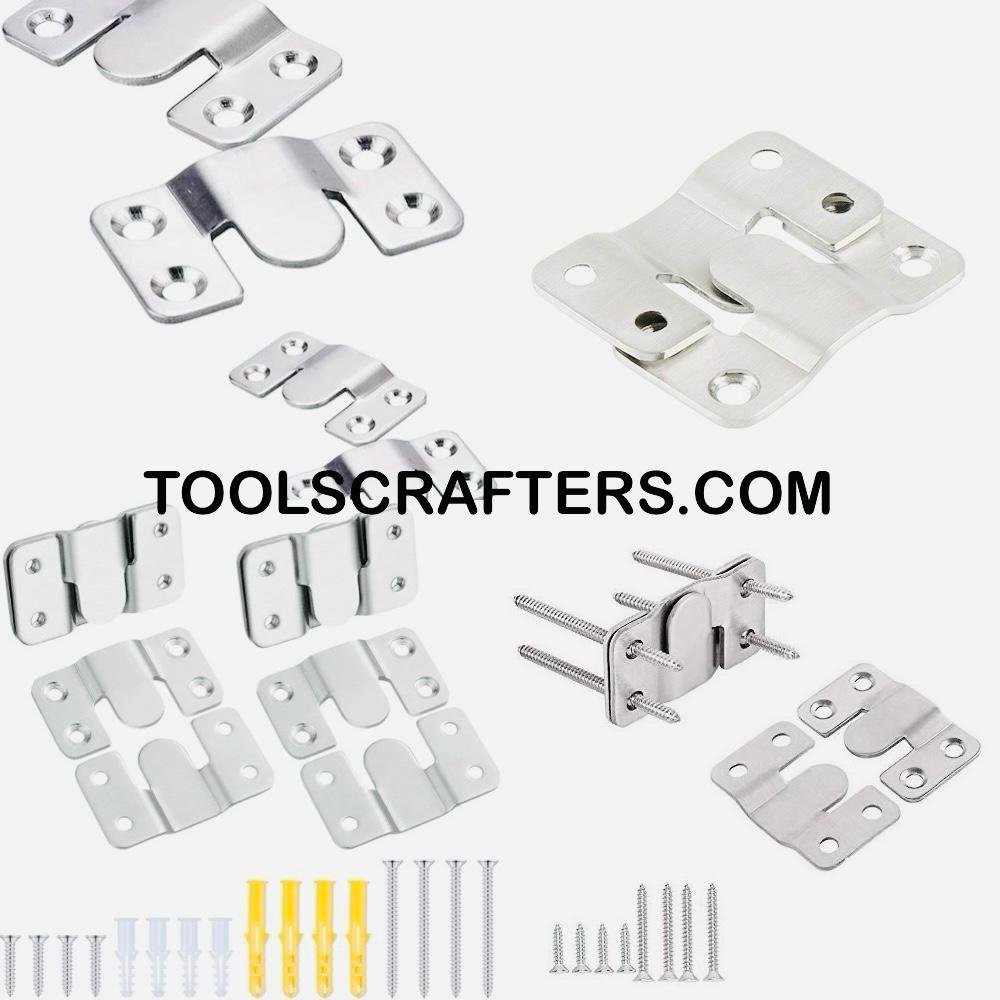
Hanging clips are a two-piece interlocking wall mounting system used to hang lightweight furniture and wood panels flush against a wall. One half of the pair—the wall clip—is fastened directly to the wall structure. The other half—the panel clip—is attached to the back of the furniture or panel. When the panel is lifted into place, the two clip profiles interlock to create a secure, hidden mounting system.
Unlike simple keyhole hangers or ordinary mirror clips, hanging clips are designed to be installed in matched pairs. They provide better alignment, easier removal when maintenance is required, and a clean floating appearance without visible mounting hardware.
Depending on the manufacturer, these products may also be called Z-clips, interlocking wall clips, panel hanging clips, or panel mounting hardware.
How Hanging Clips Work
A hanging clip system consists of two matching components.
The wall clip is fixed securely to the wall using suitable screws or wall anchors depending on the wall material. The matching panel clip is installed on the rear side of the furniture, decorative panel, or wall feature.
When the panel is lifted and lowered into position, the two clips engage with each other through their interlocking profile. Gravity helps keep the panel seated while the clip design prevents unwanted movement. Many premium hanging clips also include a security screw that prevents accidental lifting after installation.
For larger panels, installers typically distribute the load using multiple pairs of clips rather than relying on a single pair. This improves stability and helps maintain even support across the entire panel.
Where Professionals Use Hanging Clips
Professional cabinet makers, furniture manufacturers, and finish carpenters use hanging clips whenever they need a clean, hidden mounting solution for lightweight wall-mounted projects.
Common applications include:
• TV wall panels
• Decorative wooden feature walls
• Bed headboards
• Acoustic wall panels
• Small wall cabinets
• Wooden wall art
• Floating display panels
• Retail display fixtures
One of the biggest advantages of hanging clips is that many installations remain removable. This allows easy access behind TV panels for wiring or behind decorative panels for maintenance without damaging the finished surface.
Where Hanging Clips Should NOT Be Used
Although hanging clips are extremely useful, they are not designed for every application.
Avoid using them for:
• Heavy kitchen wall cabinets
• Large storage cabinets
• Commercial shelving
• Structural wall-mounted furniture
• Cabinets carrying heavy dishes or tools
These applications require structural cabinet hanging systems, heavy-duty brackets, French cleats, or direct stud-mounted support systems. Always follow the manufacturer’s load recommendations and choose mounting hardware appropriate for the weight of the installation.
Compatible Materials
Hanging clips can be used with a variety of furniture and panel materials, provided the material is strong enough to securely hold the mounting screws.
### MDF
Medium Density Fiberboard (MDF) is commonly used for decorative wall panels and slat walls. Because MDF does not hold screws as strongly as solid wood, pre-drilling and using the correct screw length helps improve fastening reliability.
### Plywood
Plywood is one of the best materials for hanging clip installations. Its layered construction provides excellent screw holding strength while resisting warping, making it ideal for TV panels, headboards, and decorative wall features.
### Solid Wood
Solid wood panels can also be mounted using hanging clips. Since natural wood expands and contracts with seasonal humidity changes, installers should allow for slight movement rather than fastening everything too rigidly.
### Laminated Panels
Laminated furniture panels work well with hanging clips when the core material provides sufficient screw holding strength. Always select screws that are appropriate for the panel thickness.
### Veneered Panels
Veneered panels typically use MDF or plywood cores beneath the decorative veneer. Fasteners should always grip the structural core rather than relying on the veneer layer.
### Acoustic Panels
Many acoustic wall panels include MDF slats mounted on felt backing. Before installing hanging clips, confirm there is adequate structural material available to securely fasten the panel clips.
Compatible Wall Types
The performance of hanging clips depends not only on the clips themselves but also on the strength of the wall they are attached to.
### Drywall
Whenever possible, mount the wall clips directly into wall studs. If studs are unavailable, use wall anchors specifically rated for the expected load and compatible with drywall.
### Brick Walls
Brick walls require suitable masonry anchors and correctly sized drill bits. The type of brick and mortar condition should always be considered before installation.
### Concrete Walls
Concrete installations require concrete-rated anchors and a hammer drill for proper installation. Standard drywall anchors are not suitable for concrete surfaces.
### Wooden Stud Walls
Wood stud walls provide one of the strongest installation surfaces because the wall clips can be screwed directly into the framing.
### Metal Stud Walls
Metal stud walls may require self-drilling screws or heavy-duty toggle anchors depending on the stud thickness and the weight of the mounted panel.
Always follow the hanging clip manufacturer’s installation recommendations for your specific wall type.
Types of Hanging Clips
Hanging clips are manufactured using different materials to suit various installation environments.
### Steel Hanging Clips
Steel hanging clips are the most common option. They provide excellent strength for general indoor installations and are typically finished with zinc plating or galvanization for basic corrosion resistance.
### Aluminum Hanging Clips
Aluminum clips are lightweight and naturally resistant to corrosion. They are often selected where reduced weight and clean appearance are priorities.
### Stainless Steel Hanging Clips
Stainless steel hanging clips are ideal for bathrooms, kitchens, coastal environments, and other locations exposed to moisture. Although generally more expensive, they provide excellent long-term corrosion resistance.
Key Features
A quality hanging clip system offers several important features that improve installation accuracy and long-term reliability.
• Two-piece interlocking design
• Hidden mounting system
• Flush wall installation
• Easy panel removal for maintenance
• Multiple clip sizes
• Security screw compatibility on selected models
• Suitable for a wide range of furniture and decorative panels
• Strong steel or aluminum construction depending on the model
Advantages
Using hanging clips offers several practical advantages over traditional face-mounted screws and many other concealed hanging systems.
• Clean floating appearance
• Hidden mounting hardware
• Easy panel removal when required
• Faster installation
• Better alignment
• Suitable for many decorative furniture applications
• Professional-looking finish
• Reusable in many installations when removed carefully
Step-by-Step Installation Guide
Proper installation is just as important as selecting the correct hanging clips.
### Step 1 – Check the Panel Weight
Confirm that the hanging clips are suitable for the weight of your panel. Always follow the manufacturer’s load recommendations.
### Step 2 – Locate Wall Studs
Use a stud finder whenever possible to locate structural support before installing the wall clips.
### Step 3 – Mark a Level Reference Line
Draw a perfectly level reference line before fastening the wall clips. This greatly improves final alignment.
### Step 4 – Install the Wall Clips
Secure the wall clips using suitable screws or wall anchors appropriate for the wall material.
### Step 5 – Install the Panel Clips
Attach the matching clips to the back of the furniture or panel using suitable screws.
### Step 6 – Test Fit
Lift the panel into position and confirm both clips engage correctly before final tightening.
### Step 7 – Install the Security Screw
If the clip system includes a locking screw, install it to prevent accidental lifting.
### Step 8 – Final Inspection
Verify that the panel sits flush, level, and securely against the wall before completing the installation.
Common Installation Mistakes
Even experienced installers occasionally make mistakes that affect the final result.
Common mistakes include:
• Installing clips out of level
• Mounting only into drywall without suitable anchors
• Mixing incompatible clip brands
• Using too few clip pairs on wide panels
• Overtightening screws
• Ignoring seasonal wood movement
• Forgetting the security screw when provided
Common Buying Mistakes
Many buyers focus only on price without considering installation requirements.
Avoid these common buying mistakes:
• Choosing the cheapest clips regardless of quality
• Ignoring the manufacturer’s load recommendations
• Purchasing too few clip pairs
• Selecting the wrong material for humid environments
• Forgetting to consider wall type
• Buying incompatible clip profiles from different manufacturers
Buying Guide
Before purchasing hanging clips, compare the following factors carefully:
• Material quality
• Corrosion resistance
• Load recommendations
• Number of clip pairs required
• Wall compatibility
• Panel material compatibility
• Security locking features
• Manufacturer reputation
Choosing the correct hanging clips for your project improves installation quality, long-term durability, and overall safety.
Hanging Clips vs French Cleats
Both hanging clips and French cleats provide concealed wall mounting, but they are designed for different applications.
| Feature | Hanging Clips | French Cleats |
|———|—————|—————-|
| Best For | Lightweight panels and furniture | Heavy cabinets and large wall units |
| Load Distribution | Multiple point connections | Continuous load across the cleat |
| Profile | Low profile | Slightly thicker |
| Removability | Easy to remove | Easy to remove |
| Typical Applications | TV panels, headboards, decorative panels | Kitchen cabinets, heavy furniture |
For lightweight decorative projects, hanging clips provide an excellent solution. For heavier cabinets and storage units, a properly installed French cleat system is generally the better choice.
Product Comparison Table
| Feature | Basic Hanging Clips | Premium Hanging Clips | Professional Hanging Clips |
|———|———————|———————–|—————————-|
| Material | Steel | Steel / Aluminum | Stainless Steel |
| Corrosion Resistance | Good | Very Good | Excellent |
| Security Screw | Optional | Usually Included | Included |
| Best For | DIY Projects | Home Furniture | Professional Installations |
| Durability | Good | Very Good | Excellent |
Maintenance Tips
Proper maintenance helps hanging clips remain reliable for years.
### Keep the Clips Clean
Remove dust and debris whenever furniture or wall panels are removed for maintenance.
### Check Fasteners Periodically
Inspect mounting screws occasionally to ensure they remain tight, especially after seasonal temperature changes.
### Inspect for Corrosion
If the clips are installed in bathrooms or humid environments, check for signs of rust and replace damaged hardware when necessary.
### Recheck Alignment
If the mounted panel is accidentally bumped or removed, verify that all clips remain properly aligned before reinstalling.
Safety Tips
Always follow safe installation practices when using hanging clips.
• Never exceed the manufacturer’s recommended load capacity.
• Use suitable wall anchors for the wall type.
• Install into wall studs whenever possible.
• Use the security screw if the clip system provides one.
• Do not use hanging clips for heavy kitchen wall cabinets or large storage cabinets.
• If there is any doubt about the load, choose a stronger wall mounting system designed for structural applications.
Troubleshooting
### Panel Is Hanging Crooked
Check that both wall clips were installed perfectly level and that the panel clips match the same spacing.
### Panel Pulls Away from the Wall
Additional clip pairs may be required, or the wall surface may not be completely flat.
### Clips Feel Loose
Inspect the mounting screws and confirm they are securely fastened into suitable wall anchors or studs.
### Rust Appears on the Clips
Replace standard steel clips with stainless steel versions if the installation is exposed to moisture.
### Panel Can Be Lifted Off Easily
If your clip design includes a security screw, install it according to the manufacturer’s instructions.
Frequently Asked Questions
### Are hanging clips suitable for heavy kitchen cabinets?
No. Hanging clips are intended for lightweight panels and furniture. Heavy kitchen cabinets should use structural cabinet hanging systems.
### Can hanging clips be installed on drywall?
Yes, but suitable wall anchors should be used whenever studs are not available.
### Are hanging clips reusable?
Yes. Many hanging clips can be removed and reused if they remain undamaged.
### Can I mount a TV directly using hanging clips?
No. They are designed for decorative TV wall panels, not for supporting televisions unless specifically rated by the manufacturer.
### Are hanging clips stronger than French cleats?
Generally no. French cleats provide continuous load support and are better suited for heavier furniture.
### Can hanging clips be used outdoors?
Only if they are manufactured from corrosion-resistant materials suitable for outdoor environments.
### Do I need more than one pair of clips?
Larger or wider panels usually require multiple pairs to distribute the load evenly.
### What materials work best with hanging clips?
Plywood, MDF, solid wood, laminated panels, veneered panels, and many decorative wall panels.
### How do I remove a panel after installation?
Lift the panel upward to disengage the interlocking clips. Remove the security screw first if one has been installed.
### How do I choose the correct hanging clips?
Select clips based on your panel size, weight, wall type, installation method, and the manufacturer’s recommendations.
Final Verdict
Hanging clips provide a clean, secure, and professional method of mounting lightweight furniture and decorative wall panels while keeping all mounting hardware hidden from view. They are an excellent choice for TV wall panels, bed headboards, decorative feature walls, acoustic panels, and many other woodworking projects.
However, they are not intended for heavy wall cabinets or structural furniture installations. Always select hanging clips that are appropriate for your project, follow the manufacturer’s installation recommendations, and use suitable wall anchors and fasteners for the wall type. When installed correctly, hanging clips offer an attractive, removable, and reliable wall mounting solution.
Affiliate Disclosure
As an Amazon Associate, TOOLSCRAFTERS earns from qualifying purchases. This does not affect the price you pay and helps support our work in creating detailed woodworking guides, buying advice, and practical information for carpenters, furniture makers, and DIY enthusiasts.
About the Author
Md Vajeed is the founder of TOOLSCRAFTERS and writes about woodworking tools, furniture hardware, cabinet-making accessories, and workshop equipment. His guides help carpenters, cabinet installers, furniture manufacturers, and DIY woodworkers choose practical tools through detailed product research and industry knowledge.