Drill Machine Cutting and Grinding Holder: Complete Buying Guide
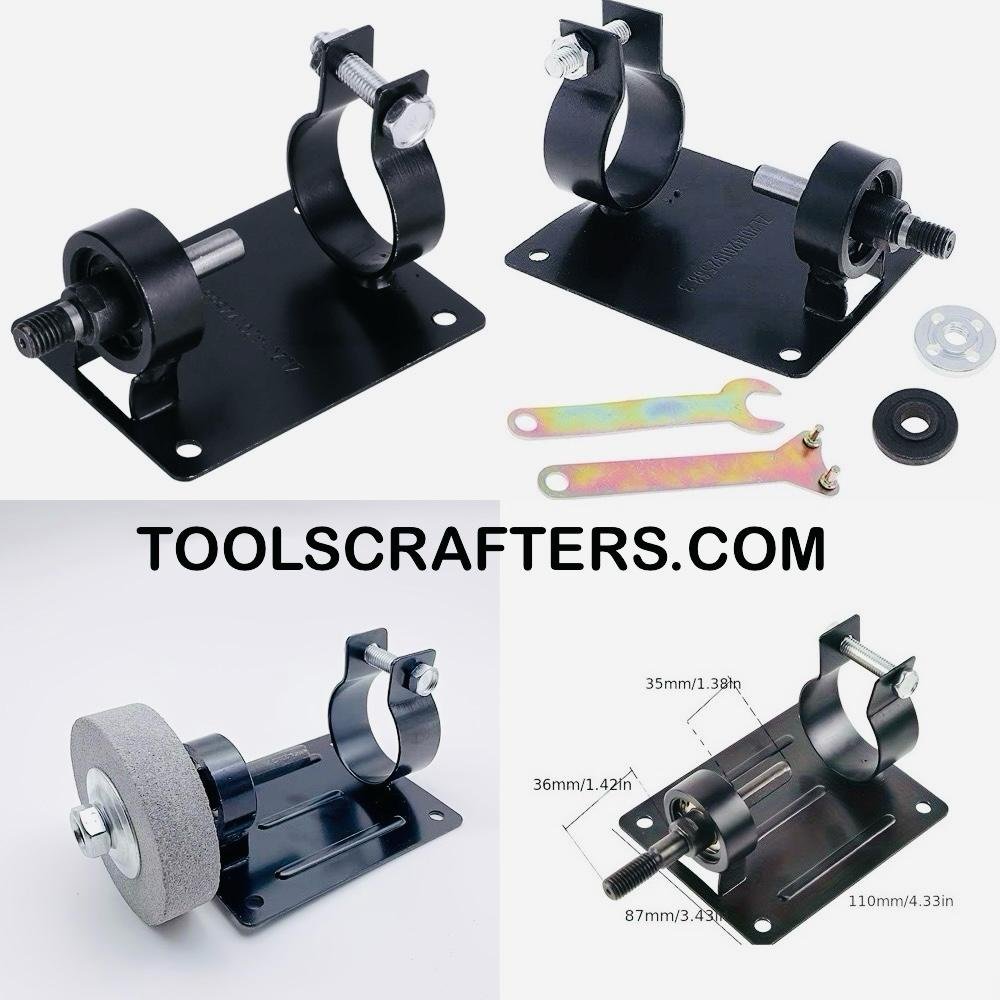

A drill machine cutting and grinding holder is a practical workshop accessory that provides better stability and control during light cutting, grinding, polishing, and finishing tasks. It helps users perform small jobs more accurately while making better use of their existing hand drill.
Unlike a handheld drill, which can be difficult to control during detailed work, this holder keeps the drill securely in place and allows the operator to guide the workpiece with greater precision. It is especially useful for hobbyists, DIY enthusiasts, furniture makers, metal fabricators, and small workshop owners who need an affordable solution for light-duty cutting and grinding jobs.
However, it is important to understand that this accessory is not a replacement for an angle grinder or a bench grinder. It is designed specifically for compatible hand drills and should only be used with accessories recommended for drill machines. In this guide, you’ll learn how the holder works, its key features, compatible accessories, buying tips, safety precautions, and how to choose the right model for your workshop.
A drill machine cutting and grinding holder is a specially designed mounting bracket that securely holds a portable hand drill in a fixed position. Once the drill is mounted, compatible cutting blades, grinding wheels, polishing accessories, or wire brushes can be attached to the drill chuck, allowing the drill to perform a variety of light workshop tasks with improved stability and accuracy.
Instead of holding the drill by hand throughout the operation, the holder keeps the machine firmly supported while the user controls the workpiece. This setup improves precision, reduces operator fatigue, and provides better control for detailed cutting, grinding, polishing, deburring, and finishing work.
Although it expands the versatility of a standard hand drill, it should never be considered a replacement for dedicated machines such as angle grinders, bench grinders, or cut-off saws, which are specifically engineered for heavy-duty applications.
A drill machine cutting and grinding holder works by converting a handheld drill into a stable, bench-mounted tool for light-duty workshop applications. The holder securely clamps the drill body, allowing compatible cutting, grinding, polishing, or wire brush accessories to rotate while the user guides the workpiece instead of holding the drill.
A typical setup begins by mounting the holder to a sturdy workbench using bolts or heavy-duty clamps. Once the drill is secured, a compatible accessory is installed into the drill chuck, and all mounting points are checked before use. This stationary setup improves stability, reduces vibration, and makes small precision tasks easier to perform than using the drill freehand.
Although this arrangement increases control and accuracy, it is intended only for light-duty work. Users should always follow the drill manufacturer’s recommendations and use accessories specifically designed for drill machines.
A reliable clamping mechanism keeps the drill securely in position during operation. A strong clamp reduces unwanted movement and vibration, helping produce smoother cuts and more consistent grinding results. Look for holders that provide firm, even pressure without damaging the drill body.
Many holders allow the drill angle to be adjusted for different cutting or grinding applications. This flexibility makes it easier to work on small components, improve operator comfort, and achieve better accuracy when performing detailed workshop tasks.
The overall strength of the holder depends largely on its construction material. Heavy-duty steel or cast aluminum holders generally provide greater rigidity, improved durability, and better resistance to vibration than lightweight alternatives. A solid construction also increases long-term reliability in regular workshop use.
A stable base is essential for maintaining accuracy during cutting and grinding operations. Bolt-down designs usually provide better stability than temporary clamp-on models, especially when working with metal or hardwood. A rigid base helps reduce vibration and improves operator control.
A well-designed holder should allow the drill to be mounted and removed quickly without complicated adjustments. This makes it easier to switch between normal drilling tasks and stationary cutting or grinding work, improving overall workshop efficiency.
Not every drill machine is compatible with every cutting and grinding holder. Before purchasing, check the drill body’s clamping diameter, overall size, and mounting design. Most holders are designed for standard electric hand drills, while some models can also support selected cordless drills depending on their body shape and battery position.
Drills with oversized housings or large battery packs may not fit securely. Always compare the manufacturer’s compatibility specifications before buying to ensure safe and stable operation.
A drill machine cutting and grinding holder is a versatile workshop accessory that can be used for a wide range of light-duty applications. When paired with compatible drill accessories, it helps improve stability, control, and accuracy for detailed work.
With a compatible cutting disc designed for drill machines, the holder can assist in cutting thin metal sheets, aluminum sections, and small steel components. A stable setup provides better control than holding the drill by hand, especially for straight and precise cuts.
After cutting metal, rough edges often require smoothing. A compatible grinding stone can help remove burrs, clean sharp edges, and prepare metal parts for welding, painting, or assembly.
Wire brush attachments can be installed in the drill chuck to remove rust, loose paint, oxidation, and surface contaminants from metal parts. This makes the holder useful for restoration projects, automotive repairs, and workshop maintenance.
Using polishing wheels or buffing attachments, the holder can assist in polishing metal, plastic, and certain wooden surfaces. The fixed drill position provides better consistency during finishing work than handheld operation.
Choosing the right drill machine cutting and grinding holder is important for both safety and performance. A good-quality holder should provide a secure grip on the drill, minimize vibration, and offer stable support during operation. Before purchasing, compare the holder’s specifications with your drill machine to ensure proper compatibility.
Verify that the holder supports your drill’s body diameter, chuck size, and overall dimensions. Some holders are designed only for specific drill models, while others offer adjustable clamping systems that fit a wider range of machines.
Look for holders made from heavy-duty steel or cast aluminum. A rigid construction reduces vibration, improves cutting accuracy, and provides a longer service life compared to lightweight plastic or thin metal designs.
A holder with simple angle and position adjustments allows you to perform different cutting, grinding, and polishing tasks more comfortably. Smooth adjustment mechanisms also reduce setup time in the workshop.
Some holders are designed to be permanently bolted to a workbench, while others use heavy-duty clamps for temporary installation. Choose a mounting system that matches your workspace and the type of projects you regularly perform.
Always purchase from a reliable manufacturer or seller that provides clear product specifications, compatibility details, and customer support. Reading verified customer reviews can also help identify build quality, ease of installation, and long-term durability before making a purchase.
Using a drill machine cutting and grinding holder safely is just as important as choosing the right model. Although the holder improves stability, the drill and rotating accessories can still cause serious injuries if used incorrectly. Always follow basic workshop safety practices before starting any cutting or grinding task.
Always wear safety glasses, hearing protection, and a dust mask when operating the holder. If you’re cutting metal, wear suitable gloves only when they cannot become caught in rotating parts. Proper protective equipment helps reduce the risk of injuries from flying sparks, metal chips, wood dust, and excessive noise.
Never hold the workpiece with your hand while cutting or grinding. Use a bench vise or suitable clamps to keep the material firmly in place. A properly secured workpiece improves accuracy and significantly reduces the chance of slipping or kickback.
Before each use, check that the drill is firmly clamped, the cutting or grinding accessory is securely installed, and all mounting bolts are tightened. Replace damaged accessories immediately and never operate the holder if any component feels loose or unstable.
Only use cutting discs, grinding stones, polishing wheels, and wire brushes that are specifically designed for use with drill machines. Always follow the accessory manufacturer’s recommended speed limits and operating instructions.
Allow the accessory to cut or grind at its own speed without forcing it into the material. Applying excessive pressure can overload the drill, reduce accessory life, and increase the risk of accidents.
Regular maintenance helps your drill machine cutting and grinding holder deliver better performance, improved accuracy, and a longer service life. A few simple maintenance habits can prevent unnecessary wear and keep the holder working safely.
Remove metal dust, grinding residue, wood chips, and other debris after each use. Dirt buildup can affect the holder’s moving parts and reduce overall stability during operation. A soft brush or compressed air works well for routine cleaning.
Inspect all mounting bolts, clamps, adjustment knobs, and locking screws before and after use. Tighten any loose hardware immediately to prevent vibration, movement, or inaccurate cutting and grinding.
If your holder includes adjustable joints or sliding mechanisms, apply a small amount of suitable lubricant occasionally. Proper lubrication helps maintain smooth adjustments and reduces unnecessary wear.
Regularly check the holder for cracks, bent components, excessive rust, or worn clamping surfaces. Replace damaged parts immediately to maintain safe operation and consistent performance.
Store the holder in a clean, dry location when it is not in use. Keeping the tool away from moisture helps prevent rust, corrosion, and unnecessary deterioration, extending its overall lifespan.
No. A drill machine cutting and grinding holder is designed for light-duty workshop tasks and occasional DIY use. It improves stability but cannot match the power, durability, or performance of a dedicated bench grinder or cut-off machine for heavy industrial work.
Not always. Compatibility depends on the drill’s chuck size, body diameter, mounting design, and the holder’s specifications. Always check the manufacturer’s compatibility information before purchasing.
Depending on your drill and holder design, you can use compatible cutting discs, grinding stones, polishing wheels, wire brushes, buffing wheels, and other drill-supported rotary accessories. Always use accessories that are rated for your drill’s operating speed.
Yes, for light workshop applications. It provides better control and stability for repetitive cutting, grinding, polishing, and sharpening tasks. However, heavy industrial work is better handled by dedicated stationary machines.
Secure the holder firmly to a stable workbench, clamp the workpiece properly, use sharp accessories, and avoid applying excessive pressure. Regular maintenance also helps maintain consistent accuracy.
A drill machine cutting and grinding holder is a practical accessory for anyone who wants to improve control, stability, and precision during light-duty workshop tasks. By securely holding the drill in place, it allows cutting, grinding, polishing, and sharpening jobs to be performed more comfortably than using a handheld drill alone.
Whether you’re a DIY enthusiast, carpenter, fabricator, or small workshop owner, choosing a well-built holder with strong construction, proper compatibility, and secure mounting can make everyday work safer and more efficient. With regular maintenance and correct usage, a quality drill machine cutting and grinding holder can provide reliable performance for years.
As an Amazon Associate, TOOLSCRAFTERS earns from qualifying purchases. This does not affect the price you pay and helps us continue creating honest product guides, buying advice, and workshop resources for our readers.